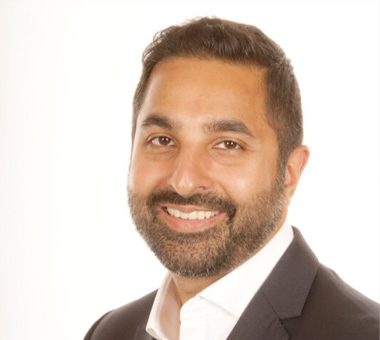
Prof. Adam Frampton
GMC registration approved.
About
Consultant in gallbladder, hernia and pancreatobiliary surgery; academic surgeon at Imperial.
Extended Profile
Professor Adam Frampton BSc(Hons) MSc PhD MBBS FRCS(Gen Surg) is a Consultant General and Hepato-Pancreato-Biliary (HPB) Surgeon with practice in London and Surrey, specialising in minimally invasive and robotic HPB surgery as well as complex hernia and gallstone disease.
Education & training: Qualified from Imperial College London in 2003, completed an MSc in General Surgical Practice in 2011 and a PhD in 2014 at Imperial on pancreatic cancer biology, undertook higher surgical training in London and Surrey, and became a Fellow of the Royal College of Surgeons of England in 2018 with advanced HPB and transplant exposure at major London centres.
Clinical interests: Complex gallstone disease and bile-duct stones, laparoscopic and robotic cholecystectomy, abdominal wall and groin hernia repair, benign and malignant disease of the liver, pancreas and biliary tract, and multidisciplinary surgical oncology including Whipple procedures and liver resection where indicated.
Research, teaching & leadership: Vice-Chancellor’s Fellow and Senior Lecturer in Surgical Oncology at the University of Surrey supervising BSc, MD(Res) and PhD students, with >120 peer-reviewed publications spanning biomarkers, tumour microenvironment and targeted therapies in HPB cancer, and regular invited faculty roles.
Awards & honours: Recipient of the ASGBI Moynihan Prize, the Sir James Fraser Travelling Fellowship and the Hunterian Professorship of the Royal College of Surgeons of England for translational HPB research.
Service & systems: Builds MDT-embedded HPB pathways integrating advanced imaging, peri-operative optimisation and ERAS protocols with registry-linked outcomes across NHS and independent practice.
Selected publications & contributions: Peer-reviewed outputs and conference presentations on pancreatic and biliary cancer biology and HPB minimally invasive surgery, with ongoing translational collaborations between London and Surrey units.